
Short answer: if your garage door isn't wind-load rated, properly braced, and free of rust or play in the tracks, it's the first thing likely to fail when a storm hits — and once it fails, the whole roof structure is at risk. Here's why that happens and what to actually check before the next system rolls through Central Florida.
Why the Garage Door Goes First
Most exterior walls are solid, continuous surfaces. A garage door is a large moving panel held in place by tracks, rollers, hinges, and a spring system — not a rigid wall. When wind pushes against a closed garage door, that pressure has to travel through every one of those moving parts. If a roller is worn, a track bracket is loose, or the panels themselves are old and thin, the door can bow, buckle, or blow inward before anything else on the house gives way.
Once a garage door fails, wind gets inside the structure. Pressure that would normally push against a sealed building now pushes up against the roof from underneath, which is a major reason garage doors get singled out in wind-load discussions for Florida homes. It's not an exaggeration to call it the weakest point — it's simply the part of the envelope with the most moving components and the most ways to fail under pressure.
Signs Your Door Is Already Vulnerable
- Visible daylight around the edges when the door is closed — a sign of warping or worn weatherstripping.
- Panels that flex or drum when you push on them from outside.
- Rust spots on tracks, hinges, or the bottom panel, especially after a rainy stretch — Central Florida humidity and standing water from afternoon downpours accelerate corrosion fast.
- Loose or vibrating track brackets — if the door rattles noticeably when a gust hits it, the hardware isn't holding it firmly to the frame.
- A door that's noticeably heavier to lift by hand than it used to be, which often points to spring fatigue that will matter more under storm-level stress.
Pre-Storm Checklist
With hurricane season still active through the fall, this is the time to walk your garage, not wait until a storm is named and supplies are gone.
- Check for a wind-load rating. Many older doors in this area were installed before wind-load standards were common for residential garages. If you don't know your door's rating, that's worth finding out before storm season peaks again.
- Inspect and tighten track hardware. Lag screws and bolts work loose over time from everyday opening and closing, plus humidity swelling the wood or framing around them. A few minutes with a wrench can firm up the whole system.
- Add or verify horizontal bracing. Retrofit bracing kits reinforce panels against wind pressure on doors that weren't originally built to current wind-load expectations.
- Check rollers and hinges for play. Worn rollers let the door shift side to side in the track, which is exactly the kind of movement high wind exploits.
- Test the auto-reverse and manual release. If storm winds coincide with a power outage, you want to know your manual disconnect actually works before you're standing in the rain figuring it out.
- Clear and lubricate moving parts. Salt-laden air and humidity leave residue on tracks and springs that attracts grit, which speeds up wear right when you need every part moving smoothly.
The Humidity Problem Between Storms
Storm prep isn't just about the day wind picks up. Between systems, Central Florida's heat and moisture work on a garage door year-round. Steel panels can develop surface rust where paint has chipped. Wood-composite panels can swell at the seams after repeated soakings from afternoon downpours, which throws off the fit in the track and creates gaps that wind can catch. Even nylon rollers can degrade faster in constant humidity than manufacturers' lifespan estimates assume. A door that looks fine in June can be measurably weaker by the time a fall storm arrives if it hasn't been checked in between.
When to Call Altamonte Springs Garage Door Repair
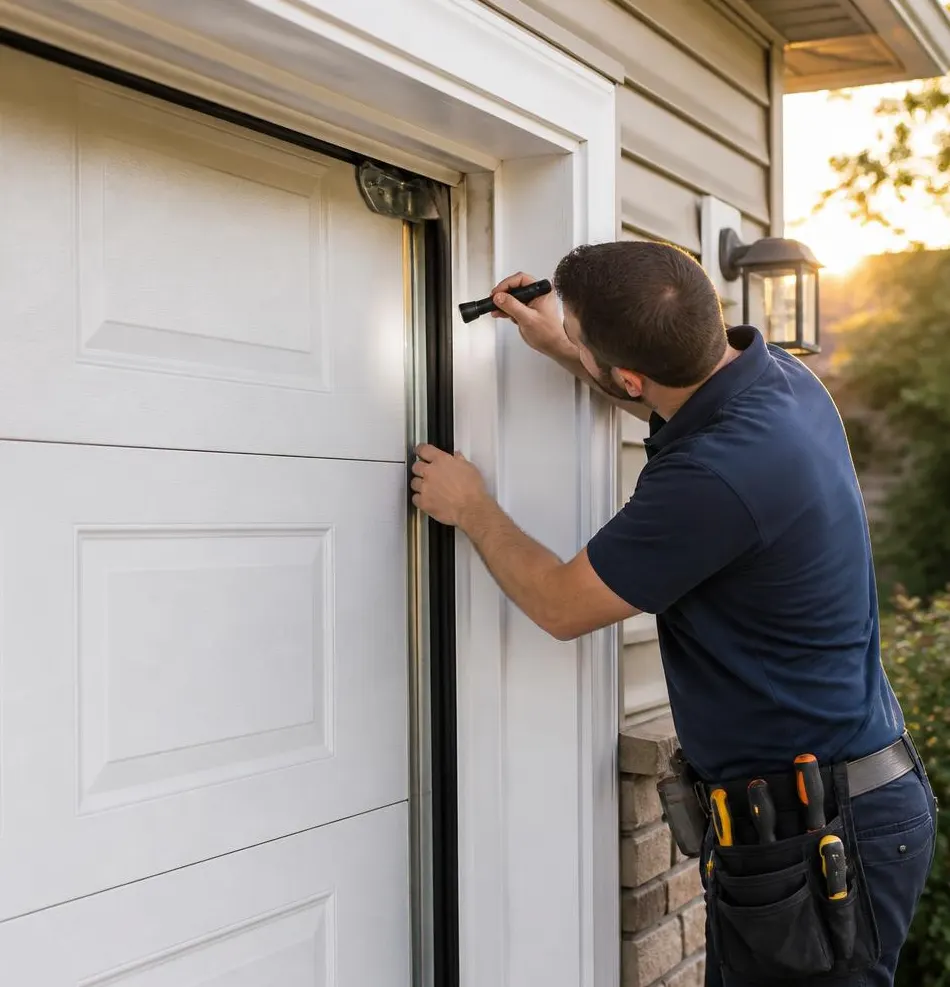
If you've spotted rust on the tracks, felt the door flex under hand pressure, or you simply don't know whether your door meets current wind-load expectations, that's a reasonable point to bring in a technician rather than guess. We handle Garage Door Tune-Up & Maintenance visits that catch worn rollers, loose hardware, and rust before they become storm-day failures, and we do Garage Door Panel Replacement for doors that are too far gone to brace effectively. Both are same-day options in most cases, which matters when a storm is already in the forecast and you're not interested in waiting a week for an appointment.
If you're in Altamonte Springs, Maitland, Casselberry, Longwood, Winter Park, Fern Park, Winter Springs, or Lake Mary and you want your garage door checked before the next system moves through Seminole County, call Altamonte Springs Garage Door Repair today for fast, same-day service.